
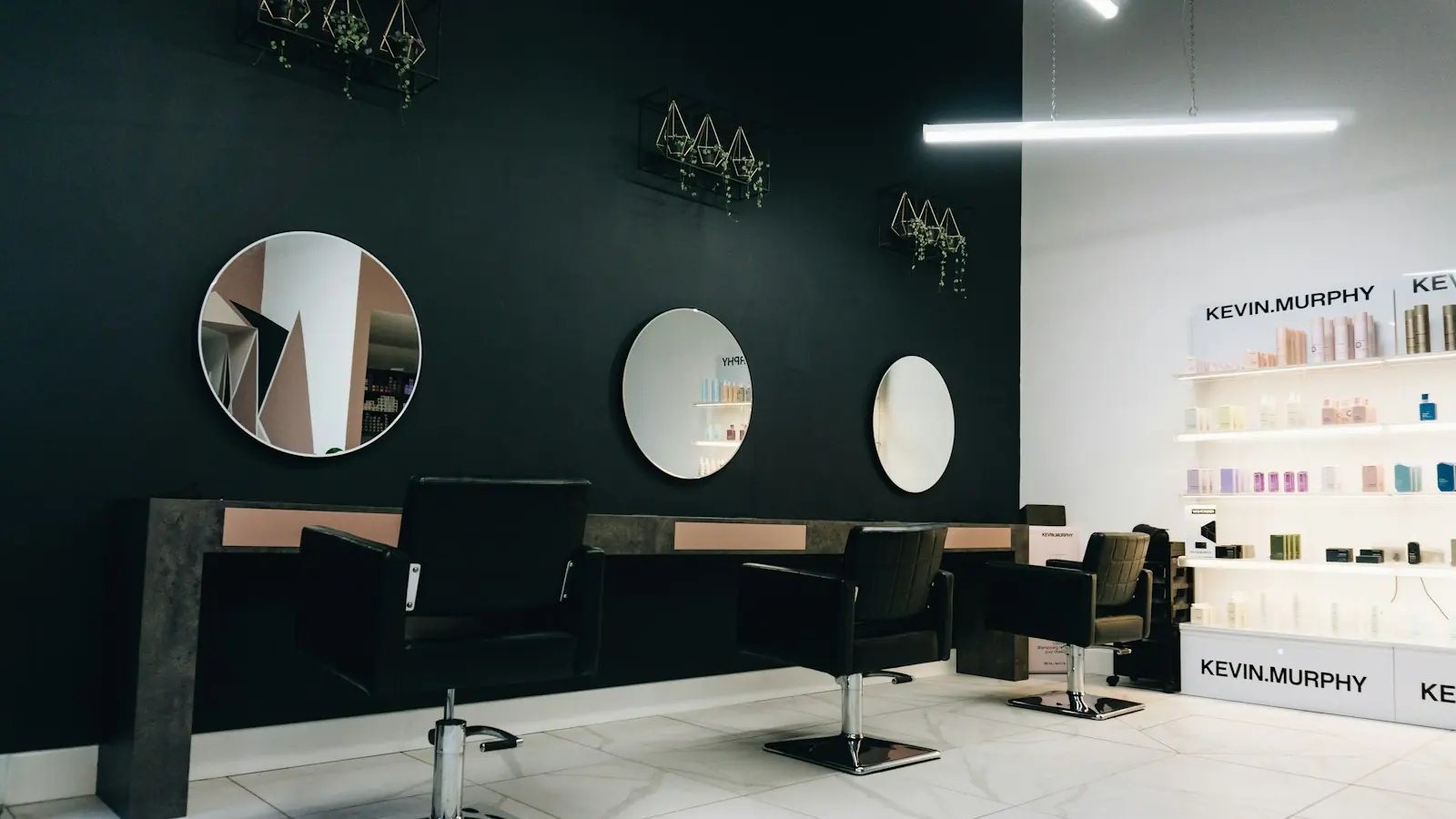
Run one small event a month, cap the spots, take a deposit, and tell clients about the next two events before they happen. That's the whole fall plan.
Fall is when clients start thinking about the holidays, and the holidays are when they want to look their best. So the months from October to December are the easiest time of year to give people a reason to come in. The salons that do it well don't run a big sale. They run one small event a month, with a set number of spots, and they tell clients what's coming next.
A one-afternoon treatment event
Pick one service that's quick and easy to say yes to. A facial, a gloss, a scalp treatment. Something under an hour. Then book it for one afternoon only, at a set event price, and say exactly how many spots there are.
The number does the selling. "Twelve spots, one afternoon" gives people a reason to call today instead of someday. And when the spots start going, say so. Telling your list that only a few are left is true, and it's the best reminder you can send.
Take a deposit when they book. It turns a maybe into a plan, and if somebody doesn't show, you're covered. I wrote more about that in how to stop salon no-shows.
A model day for your newer stylists
Your assistants and newer stylists need real heads to practice on, and lots of people would love a cut or highlights for less. Put the two together. Ask for the kind of hair your team needs to practice on, like long hair for layers or bangs, and set a lower model price for each service.
Three things keep a model day from going sideways:
- Say who's watching. Tell models an educator or senior stylist checks the work. That's what makes a lower price feel safe instead of risky.
- Say what could cost more. If someone needs extra color, tell them before they book, not at the front desk.
- Charge something. A free appointment fills with people who don't show. A lower price fills with people who do.
Done right, a model day trains your team and brings in new faces who may become regulars. If you're building a training program, here's how salon apprenticeships work.
Turn one appointment into an afternoon
Most clients come in for one thing and leave. Fall is a good time to hand them a second reason to stay. Suggest a quick add-on that fits the visit, like a brow wax with a cut. If you sell clothes, jewelry or gifts, point them to it while their color processes.
Holiday gift sets are the easy win here. Clients are already making a list, and a gift from their salon is something they're happy to buy. Put the sets out early and say they won't last. When they're gone, they're gone.
None of this needs a discount. A full day of being taken care of is the offer. If you're tempted to mark everything down, read salon promotion ideas that aren't a discount first.
Announce the next two months now
The holidays fill up fast, and your clients' calendars do too. So don't wait until a week before an event to mention it. Every time you email or post about this month's event, add a short "coming up" list with the next two.
Here's what that can look like for fall:
- October: a one-afternoon treatment event, with a deposit.
- November: a color or makeup party, so clients find their best shades before holiday photos.
- December: a holiday open house in the evening, with music, a little food and the gift sets out.
If the salon has a milestone coming up, like an anniversary, build the holiday party around it. A theme gives people something to dress up for and something to post about. Give the date now and the details later. A date is enough to get it on their calendar.
Let the owner say hello first
When you tell clients about all this, open with a few lines from the owner. Not a sales pitch. Just how the month's going, what you're excited about, and a thank-you to the people who keep coming back. Then get to the events. Clients read the note because a person wrote it, and they keep reading because you gave them something to plan for.
Need help writing that email? Here are salon newsletter ideas that get read.
How to know it worked
Count three things after each event: how many spots filled, how many deposits were taken, and how much retail went out the door that day. Then check who booked their next regular appointment before they left. That last number tells you whether the event brought in a one-time visit or a client.